GLP-1 drugs linked to higher tendon rupture rates in people with obesity and type 2 diabetes

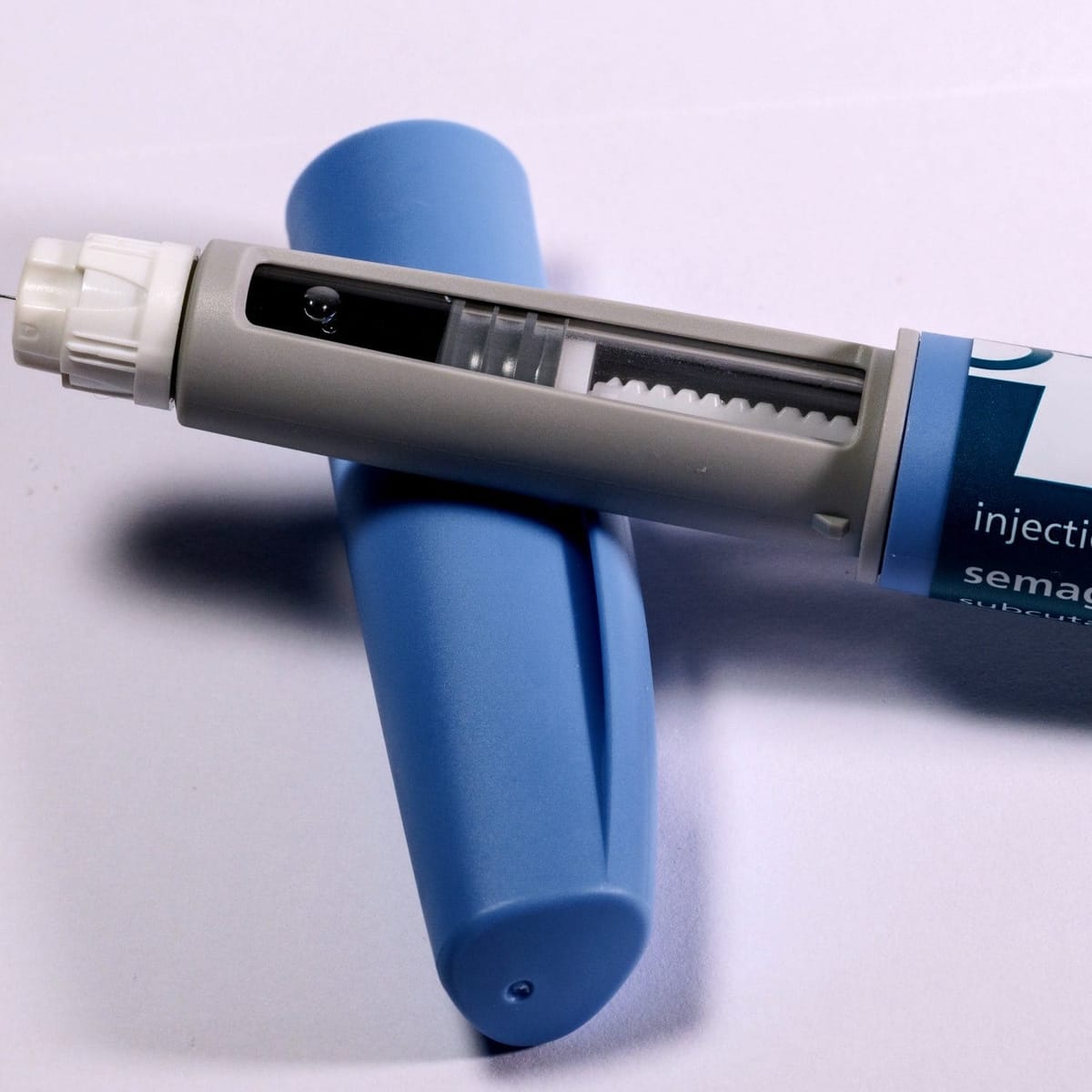
A large retrospective cohort study drawing on electronic health records from over 70 US healthcare organisations has found that GLP-1 receptor agonist (GLP-1 RA) use, such as Ozempic or Wegovy, is associated with higher rates of tendon rupture in patients with both obesity and type 2 diabetes.
The study, presented at the 2026 American Academy of Orthopaedic Surgeons (AAOS) Annual Meeting by Jad Lawand and colleagues, matched approximately 78,590 GLP-1 RA users with a similar number of non-users, controlling for age, sex, BMI, race, diabetes status, and statin use. Tendons affected included the rotator cuff, Achilles, peroneal, pectoralis major, and quadriceps.
The researchers proposed three mechanisms: nutritional compromise from appetite suppression and gastroparesis, reduced muscle mass, increasing mechanical load on tendons, and patients increasing physical activity too rapidly following weight loss without supervised exercise programmes.
Lawand was careful to note that while the relative risk is higher (roughly 1.5%) in obese + diabetic patients on these medicines, the overall rupture rates remain low — under 1% for most tendon types.
Given their widespread adoption, these findings should raise clinical awareness for patients and prescribers rather than cause alarm.